The secret to excellent health
In today's fast-paced world, achieving and maintaining excellent health is more important than ever. It encompasses not just the absence of illness but a holistic approach that includes physical, mental, and social well-being. This article explores the multifaceted components of excellent health, from the importance of nutrition and exercise to the vital roles of sleep and mental wellness
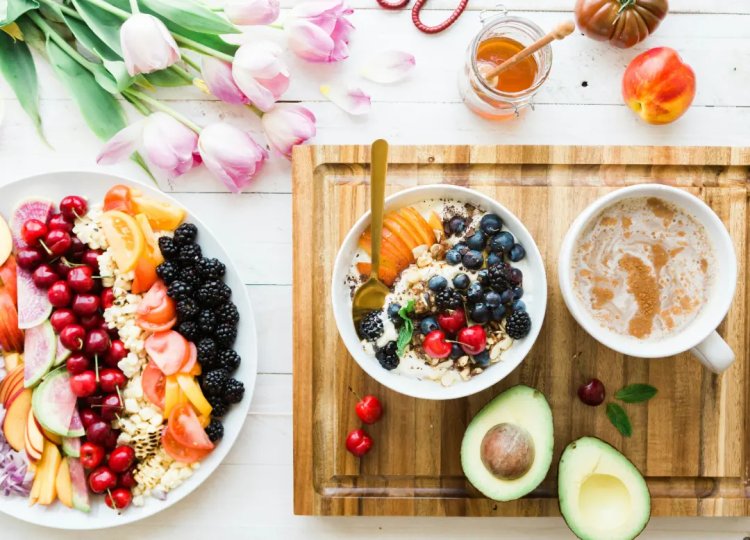
By understanding and integrating these elements into our daily lives, we can unlock the secrets to a healthier, more fulfilling existence. Join us as we delve into the essential practices that pave the way for a vibrant and balanced life.
Understanding Excellent Health
Defining Excellent Health
Excellent health isn’t just about having six-pack abs or the ability to run a marathon (although, kudos if you can do both). It’s a state of complete physical, mental, and social well-being. Think of it as a three-legged stool: if one leg is wobbly, you might end up on the floor (and nobody wants that). Instead of chasing perfection, aim for balance and strive to thrive in all aspects of your life.
Holistic vs. Traditional Approaches
When it comes to health, you’ll find two main schools of thought: holistic and traditional. Traditional approaches often rely on medicine and treatments for specific symptoms—think doctors and prescriptions. Holistic approaches, on the other hand, consider the whole person—body, mind, and spirit—when tackling health issues. It’s like choosing between a quick band-aid fix or going to a spa to recharge your entire being. Spoiler alert: both can be important.
The Role of Nutrition in Wellness
Macronutrients: Carbs, Proteins, and Fats
Ah, macronutrients—the trio of nutrients that keeps us going. Carbs are your energy buddies, proteins are the builders of tissues, and fats… well, they can be the crazy party guests that you secretly love. Carbs should be your go-to for a quick energy boost (think pasta before a race), while proteins help with recovery (hello, post-workout shakes!). Don’t forget about fats; they play vital roles too—just make sure they’re the good kind (sorry, but that means no donuts for breakfast… most days).
Micronutrients: Vitamins and Minerals
Micronutrients may be tiny, but their impact on your health is mighty! Packed with vitamins and minerals, these little guys help your body perform magical feats like immune support and bone health. Think of them as the behind-the-scenes crew that keeps the show running smoothly. Load up on colorful fruits and veggies to ensure you're giving your body the full spectrum of micro-support it craves.
Hydration: The Forgotten Element
Let’s talk about hydration—the often-overlooked hero in our quest for wellness. It’s shocking how many people forget to drink water when they’re busy saving the world (or binge-watching their favorite series). Staying hydrated is crucial for everything from regulating body temperature to keeping your skin glowing. So keep that water bottle close by, and remember: if you’re feeling like a raisin, it’s probably time to hydrate!
Importance of Regular Exercise
Types of Exercise: Aerobic vs. Anaerobic
Exercise can be divided into two camps: aerobic and anaerobic. Aerobic exercise, like running or cycling, is all about endurance and getting your heart pumping. Anaerobic exercise, such as weightlifting, focuses on short bursts of energy and muscle building. Think of aerobic as your long, scenic drive, while anaerobic is a high-speed thrill ride. Mixing both into your routine can create a well-rounded approach that’ll keep boredom at bay!
Creating a Balanced Workout Routine
Creating a balanced workout routine is like crafting a delicious recipe: you need the right ingredients! Aim to incorporate cardio, strength training, and flexibility exercises. A little yoga here, a jog there, and some weights in between can help ensure that you cover all your bases. And remember, if you can dance while doing it, you’re golden. Just don’t forget to have fun—after all, that’s the secret ingredient!
The Mental Benefits of Physical Activity
Exercise isn’t just about chiseling your body; it’s also a fantastic mood booster. Regular physical activity releases endorphins, the feel-good hormones that can chase away the blues. It’s like having your own personal cheerleader in your brain! Plus, working out can help reduce anxiety and stress, so you can tackle life’s challenges with the grace of a ballet dancer (or at least with less flailing).
Mental Health: The Overlooked Component
Understanding Mental Wellness
Mental wellness is just as important as physical wellness—like peanut butter and jelly, they go together. It’s about finding balance, coping with stress, and nurturing your emotional health. A healthy mind not only helps you navigate life’s ups and downs but also enhances your overall well-being. So, take time for yourself and prioritize mental wellness—your brain will thank you.
Stress Management Techniques
Ah, stress—the unwelcome party crasher of life. Thankfully, there are effective techniques to manage it. Deep breathing, mindfulness meditation, and even a good ol’ pet session with your furry friend can help. Find what works for you and make it part of your routine. Remember, even superheroes need to recharge their batteries every now and then.
Seeking Professional Help
Sometimes, the best way to untangle your thoughts is to seek help from a professional. Therapists and counselors can provide support and guidance that your friends may not be equipped to offer (sorry, Karen, but no amount of wine can fix this). There’s absolutely zero shame in asking for help—consider it like hiring a personal trainer for your mind. You're investing in your mental health, which is always a win!
Sleep’s Impact on Overall Health
The Sleep Cycle Explained
Ah, sleep—the elusive unicorn of modern life. We all know we need it, but what’s really happening when we hit the pillow? Our sleep cycle can be broken down into five stages, from light dozing (where we might twitch like a caffeinated cat) to deep sleep, where the body repairs itself and dreams of unachievable goals (like being on a deserted island with unlimited pizza). This cycle repeats several times a night, making your quality of shut-eye crucial for recovery and overall health.
Consequences of Sleep Deprivation
Skipping on sleep? That’s like trying to drive a car on fumes—eventually, you’ll stall out. Lack of sleep can lead to a whole host of issues, including irritability, poor concentration, and a decreased immune response. Long-term sleep deprivation can even elevate your risk for chronic conditions like heart disease and diabetes. So, if you’re thinking about pulling an all-nighter to binge-watch your favorite show, remember: those extra episodes aren’t worth the health hangover.
Tips for Improving Sleep Quality
Ready to turn your bedroom into a sleep sanctuary? Here are a few tips to help you snooze like a champ:
- **Set a consistent bedtime**: Your body loves routine—like a cat loves sunbeams.
- **Limit blue light exposure**: Put down that phone an hour before bed. Your future well-rested self will thank you.
- **Create a calming environment**: Think cozy blankets and blackout curtains, not fluorescent lights and laundry piles.
- **Mind your caffeine and alcohol intake**: Both can mess with your sleep cycle like an unannounced guest at a dinner party.
Preventative Healthcare Practices
The Importance of Regular Check-ups
Imagine your body as a car. Regular check-ups are like taking your vehicle in for an oil change—necessary for smooth performance. Regular doctor visits can catch potential problems before they become major issues. Plus, they can help you stay up to date on the latest health advice, like how kale is still considered trendy (seriously, why?).
Vaccinations and Their Role in Health
"Shots" aren’t just for seasoned pros at the bar. Vaccinations play a vital role in protecting you and your community from serious diseases. They can help prevent illnesses that could sideline you faster than an unexpected surprise party. Stay up to date with your vaccinations to keep yourself and those you love safe and healthy—it's like having an invisible shield!
Screenings: What You Need to Know
Screenings may sound scary (kind of like that time you had to present in front of the class), but they’re essential for staying ahead of the game. Regular screenings can help detect health issues early on, making them easier to treat. Just think of them as health's version of an annual performance review, minus the awkward small talk.
Building Strong Social Connections
The Health Benefits of Socializing
Connecting with others is not just good for the soul; it’s good for your health! Studies have shown that strong social ties can lower the risk of heart disease, boost your immune function, and even increase your lifespan. So next time you catch yourself canceling plans in favor of some cozy couch time, remember that socializing could be your ticket to longevity—sorry, Netflix!
Building a Support Network
Your friends and family are like your personal cheerleaders, minus the pom-poms (unless that’s your thing). Building a solid support network can provide you with emotional strength and practical help when life gets tough. Plus, they’re way more fun to share pizza with than a lonely slice left in the fridge.
Overcoming Loneliness in Today’s World
In a world where we’re more connected digitally but often lonely in reality, it’s crucial to actively seek out interactions. Try joining clubs, volunteering, or simply reaching out to acquaintances. Combating loneliness can start with a simple hello—it’s like sending a virtual high-five to yourself.
Lifelong Learning and Adaptability
The Connection Between Learning and Health
Keeping your brain engaged is just as important as keeping your body in shape. Lifelong learning stimulates mental activity and can even ward off cognitive decline. So whether it’s picking up a new hobby, learning a language, or mastering the art of baking bread (yes, you can do it), keep your brain buzzing.
Embracing Change and Resilience
Life is full of unexpected plot twists—like a soap opera but with fewer dramatic gasps. Building resilience means learning how to adapt when things don’t go according to plan. Embrace change as an opportunity for growth, and remember: every setback is just a setup for a great comeback.
Finding Passion and Purpose in Life
Passion is what gives life color beyond the everyday routine. Whether through a fulfilling career, mentoring, or volunteering, finding your purpose can ignite your spirit and keep your health on track. Life’s too short to play it safe—so dive into what makes you tick, and let it light up your life!In conclusion, excellent health is a holistic journey that requires attention to various aspects of our lives, including nutrition, exercise, mental well-being, and social connections. By embracing these principles and making conscious choices, we can enhance our overall health and lead more fulfilling lives. Remember, small changes can make a significant impact, so start integrating these practices today for a brighter and healthier tomorrow.
Frequently Asked Questions
What are the key components of excellent health?
Excellent health is defined by a combination of physical fitness, balanced nutrition, mental well-being, quality sleep, strong social connections, and proactive healthcare practices.
How can I improve my mental health?
Improving mental health can involve various strategies such as practicing mindfulness, engaging in regular physical activity, maintaining social connections, and seeking professional help when needed.
What role does sleep play in overall health?
Sleep is crucial for physical and mental restoration, impacting everything from cognitive function and mood to immune system health. Prioritizing good sleep hygiene can lead to significant health benefits.
How often should I have health check-ups?
Regular health check-ups are recommended at least once a year for adults, but the frequency may vary based on individual health needs and risk factors. It's best to consult with a healthcare provider for personalized recommendations.