Health clinical settings and beyond - social, economic, and environmental factors included
In an increasingly complex world, health cannot be viewed through a narrow lens focused solely on clinical settings and medical treatments. Rather, a holistic approach to health encompasses a broader understanding of the social, economic, and environmental factors that significantly influence well-being
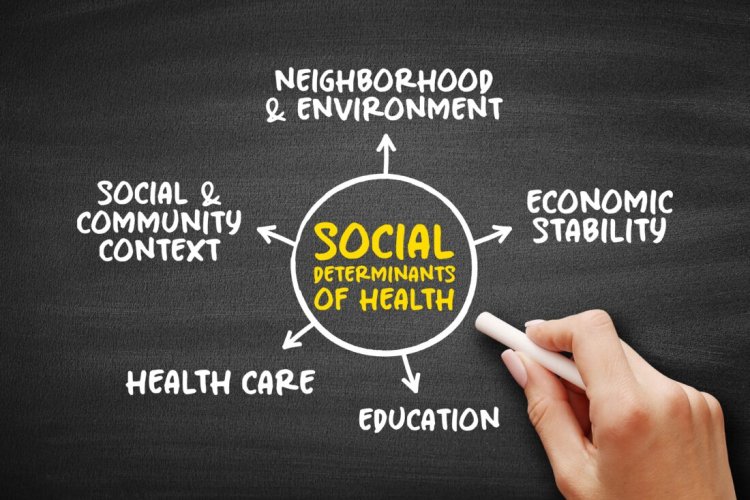
In an increasingly complex world, health cannot be viewed through a narrow lens focused solely on clinical settings and medical treatments. Rather, a holistic approach to health encompasses a broader understanding of the social, economic, and environmental factors that significantly influence well-being. The interplay of these determinants shapes health outcomes and access to care, highlighting the urgent need for integrated strategies that address the root causes of health disparities. By moving beyond traditional healthcare models, we can foster a more comprehensive framework that prioritizes the interconnectedness of individual health and community wellness, ensuring that all individuals have the opportunity to thrive in a supportive environment.
The Importance of Holistic Health Approaches
Defining Holistic Health
Holistic health isn’t just about treating a pesky cough or a sprained ankle; it's about recognizing that our bodies don’t exist in isolation. Imagine health care as a three-dimensional chess game where everything is connected—your mental state, physical condition, and even your social environment all play a role. Holistic health approaches advocate for treating the whole person, considering physical, emotional, social, and even spiritual well-being.
Benefits of a Comprehensive View on Health
Taking a holistic approach means fewer Band-Aid solutions and more root-cause fixes. By considering all factors, we can improve treatment outcomes, empower patients, and enhance overall quality of life. Plus, it’s a win-win: healthier individuals can create healthier communities, which is great for your local coffee shop when fewer people are ordering lattes in sickness!
Challenges in Traditional Healthcare Models
In the realm of traditional healthcare, it often feels like we're playing a game of whack-a-mole—treat one issue, and another pops up! Many healthcare systems focus narrowly on symptoms rather than the broader picture, leading to fragmented care that can overlook vital underlying issues. This can leave patients feeling like they’re on a merry-go-round of appointments without ever stepping off onto solid ground.
Understanding Social Determinants of Health
Key Social Factors Affecting Health
Social determinants of health are like the invisible puppeteers pulling the strings of our well-being. Factors like socioeconomic status, race, and access to healthcare all have significant implications on health outcomes. When you consider these elements, you start to see why some communities experience health disparities—because it’s not just about individual choices; it’s about the environment in which those choices are made.
Impact of Education and Employment
Education isn’t just for building a résumé; it's a powerful determinant of health! Higher levels of education often translate to better job opportunities, healthier lifestyles, and even longer life expectancy. When people have stable employment, they are less stressed and more likely to invest in their health. It’s a ripple effect—educate a person, and you might just save a life!
Community and Social Support Systems
Feeling isolated in a crowd? That’s not good for your health. Strong social networks offer emotional support, practical help, and a sense of belonging—all vital ingredients for well-being. Communities that foster connection can buffer against the stresses of daily life, proving that sometimes, all you need is a good friend (and maybe a pizza) to get through tough times.
Economic Influences on Health Outcomes
Income Disparities and Access to Care
The old adage “money can’t buy happiness” might hold some truth, but when it comes to healthcare, it can certainly buy access—or lack thereof. Income level dramatically affects access to health services. Those with higher incomes can afford preventative care, while lower-income families might only seek help in emergencies—think of it as trying to fix a leaking faucet only when the whole kitchen is underwater!
Healthcare Costs and Financial Barriers
With healthcare costs rising faster than a kid racing for the last donut, many people find themselves caught in a financial pickle. High costs can deter individuals from seeking necessary medical care, creating a vicious cycle of poor health and mounting bills. It’s hard to focus on healing when you’re also worrying about how to pay for it!
The Role of Economic Policy in Health Equity
Economic policies shape the landscape of health equity. By advocating for policies that promote equitable distribution of resources, we can chip away at the health disparities that plague our society. Imagine if we invested in health like we do in infrastructure—better access, better education, and better outcomes for all. Now that would be a game-changer!
The Role of Environmental Factors in Wellness
Impact of Living Conditions on Health
Your zip code might be more important than your genetic code when it comes to health outcomes. Living conditions, including housing quality, neighborhood safety, and access to green spaces, can greatly influence physical and mental health. A clean, safe park is like the cherry on top of a well-balanced sundae—good for the soul and the body!
Environmental Pollution and Health Risks
Pollution isn’t just an eyesore; it’s a serious health hazard. Air quality, toxic waste, and contaminated water can lead to a host of health issues, from respiratory problems to chronic diseases. It’s high time we realize that protecting our environment is not just a “nice-to-have” but a critical component of public health. Who wants to be inhaling a cocktail of chemicals while trying to enjoy a jog?
Sustainable Practices and Public Health
Adopting sustainable practices makes sense for the planet and public health. Emphasizing clean energy, reducing waste, and promoting local food systems not only supports a healthier environment but also fosters community well-being. It’s like a two-for-one deal! When we care for our planet, we care for ourselves—and that, my friends, is a win-win.
Integrating Social, Economic, and Environmental Considerations in Healthcare
Interdisciplinary Approaches to Patient Care
To tackle health issues effectively, we need a team of superheroes—minus the capes, of course. Interdisciplinary approaches bring together healthcare professionals from various fields such as medicine, social work, and environmental science. This dynamic squad works collaboratively, considering not just the patient’s medical needs but also their social circumstances and environmental influences. Think of it as a health care Avengers team, where each member contributes their unique skills to decode the complexities of patient care.
Collaborative Efforts Between Sectors
Battling health disparities requires a united front. This means merging forces with education, housing, employment agencies, and community organizations. When healthcare providers break down those pesky silos and partner with other sectors, we pave the way for comprehensive support systems. These collaborations can help to address the underlying factors that impact health, like poverty or access to nutritious food, making sure everyone gets a fighting chance.
Frameworks for Integration
Building a solid framework for integration is like constructing a bridge over a turbulent river—challenging but rewarding! A robust framework involves creating guidelines that ensure effective collaboration between healthcare providers, community organizations, and policymakers. By utilizing models like the Social Determinants of Health framework, we can create a blueprint that recognizes the interconnection of various factors shaping health outcomes. This ensures we're not just putting Band-Aids on symptoms but promoting real, sustainable change.
Case Studies: Successful Models of Comprehensive Care
Community Health Initiatives
Community health initiatives are the unsung heroes of healthcare, tackling issues head-on where it matters most—right in the neighborhoods. These programs often involve local health workers who understand the unique needs of their communities. For example, a community garden initiative not only promotes healthy eating but also fosters social connections and boosts mental well-being. When communities take charge, remarkable transformations can happen!
Innovative Programs Addressing Multiple Determinants
Innovative programs are the trailblazers in the multi-factorial health landscape. Take, for instance, mobile health clinics that deliver services directly to underserved areas, addressing transportation and accessibility barriers. Or consider programs that combine healthcare with employment training, helping individuals improve both their physical and economic health. These creative solutions highlight how thinking outside the box can lead to comprehensive care practices that genuinely make a difference.
Lessons Learned from Implementations
Every great initiative has its bumps along the way, and learning from these experiences is crucial. Successful programs often reveal key takeaways, such as the importance of community engagement and flexible funding structures. For instance, some projects found that involving local leaders in decision-making led to higher participation rates and better outcomes. The goal is to create adaptable models that can be refined and scaled based on real-world insights.
Policy Implications for a Multi-Factorial Health Framework
Advocating for Policy Change
Advocating for policy change is like trying to convince a cat to take a bath—it’s a challenge, but it can be done! To effectively integrate social, economic, and environmental factors into healthcare, we need policies that support holistic approaches. This means rallying community members, healthcare providers, and stakeholders to push for legislative changes that prioritize comprehensive care and recognize the broader determinants of health.
Funding and Resource Allocation Strategies
Let’s face it: no money, no mission! Efficient funding and resource allocation are vital to implementing comprehensive care models. This may involve reallocating existing health budgets to emphasize preventive care initiatives or seeking public-private partnerships to bolster resources. Innovative funding approaches, like outcome-based financing, can encourage investments in programs that yield measurable health benefits, ensuring that every dollar spent goes toward creating healthier communities.
Regulatory Considerations for Integrated Care
Regulatory considerations are like the fine print in a contract—often overlooked but critically important. To foster integrated care, policymakers need to assess existing regulations that may hinder collaborations between sectors. This might involve revising licensing requirements that restrict community health workers’ scope or streamlining data sharing between agencies. The goal is to create a flexible regulatory environment that encourages creativity and collaboration in addressing the multi-faceted nature of health.
Future Directions: Bridging Gaps in Health and Community Services
Emerging Trends in Holistic Healthcare
Emerging trends in holistic healthcare are like the latest fashion—always evolving and often a bit unpredictable. One major trend is the increasing focus on mental health as equal to physical health, along with a greater acknowledgment of cultural competence in patient care. Integrative medicine practices, which combine conventional and alternative therapies, are also making waves. As we embrace a more holistic perspective, the future of healthcare looks brighter and more inclusive.
Technological Innovations in Community Health
In an age where technology is king, it’s no surprise that innovations play a massive role in reshaping community health. Telehealth, mobile apps that track health data, and even AI-driven predictive analytics are transforming how services are delivered. These technologies can enhance access to care and streamline communication between healthcare providers and patients, ensuring that everyone stays in the loop—no more “lost in translation” moments!
Engaging Stakeholders for Sustainable Change
Engaging stakeholders is the secret sauce for sustaining change in community health initiatives. By bringing together diverse voices—from patients to policymakers—we create a more robust support network that drives progress. Regular forums, community workshops, and feedback loops can foster collaboration and keep everyone on the same page. When stakeholders feel invested and heard, we’re one step closer to achieving meaningful and lasting impacts on health and wellbeing.As we move forward in redefining health care, it is essential to embrace a holistic perspective that recognizes the vital role of social, economic, and environmental factors. By integrating these elements into our health systems, we can create more equitable and effective solutions that truly address the diverse needs of communities. Ultimately, fostering collaboration among various sectors will lead to a healthier society where everyone has the opportunity to achieve their fullest potential.
FAQ
What are social determinants of health?
Social determinants of health refer to the conditions in which people are born, grow, live, work, and age. These factors include socioeconomic status, education, neighborhood and physical environment, employment, social support networks, as well as access to healthcare.
How do economic factors impact health outcomes?
Economic factors such as income level, employment status, and access to financial resources directly influence an individual’s ability to access healthcare services, maintain a healthy lifestyle, and manage chronic conditions, ultimately affecting overall health outcomes.
Why is it important to consider environmental factors in health care?
Environmental factors, including pollution, climate change, and access to green spaces, have a significant impact on physical and mental health. Recognizing these factors allows for more comprehensive strategies that address the broader context of health and well-being.
How can healthcare systems integrate social, economic, and environmental considerations?
Healthcare systems can integrate these considerations by adopting interdisciplinary approaches, fostering partnerships with community organizations, and implementing policies that prioritize holistic care. This may involve training healthcare providers to recognize and address social determinants in their practice.